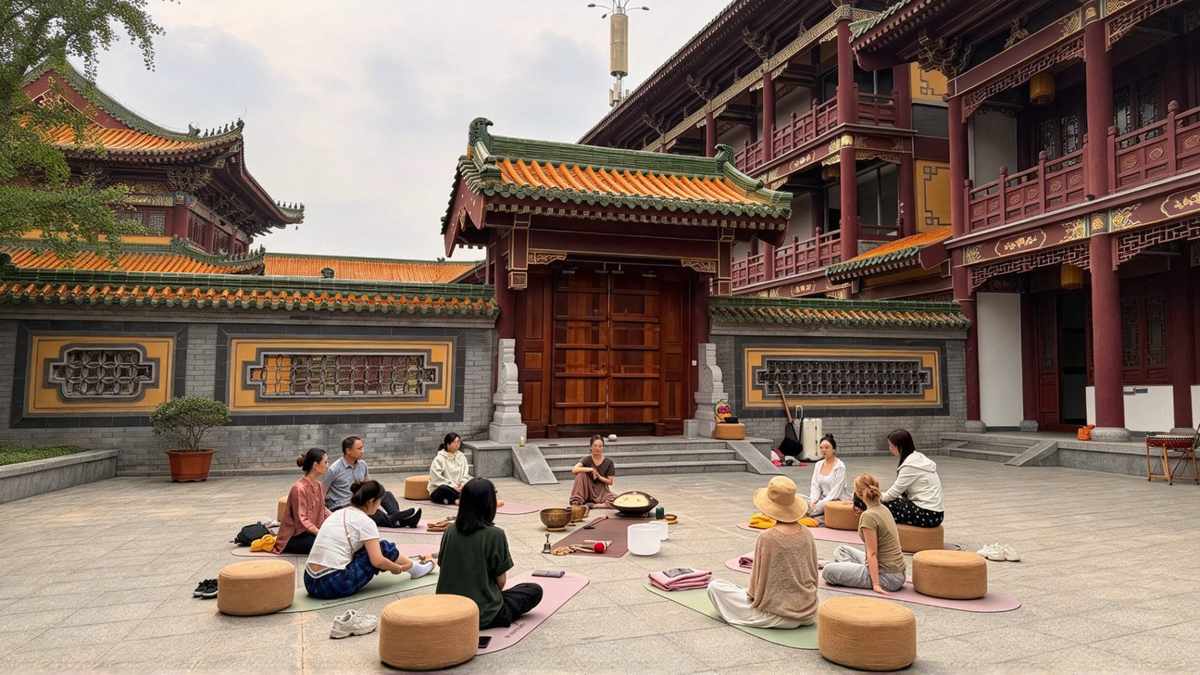
World Mental Health Day 2026: What Zen Meditation Can Teach Us About Everyday Wellbeing
World Mental Health Day, observed annually on October 10, provides an international opportunity to raise awareness of mental health, challenge stigma, and encourage conversations about the pressures people experience in modern life. In 2026, the occasion offers a timely opportunity to reflect on how daily routines, attention, rest, and meaningful cultural experiences can contribute to a more balanced approach to living.
Contemporary life often involves a continuous stream of notifications, competing responsibilities, and information that demands an immediate response. Work, family commitments, and digital communication can leave little uninterrupted time to notice how we are feeling or to reflect on our experiences. Even when people recognize the value of slowing down, creating space for reflection can be difficult.
Meditation offers one way to explore a different relationship with attention. Rather than treating it as a quick solution to every difficulty, meditation can be approached as a structured practice of observing thoughts, sensations, and reactions with greater awareness. Its value lies not in achieving a perfectly quiet mind, but in learning to recognize what is happening in the present moment.
Within Chinese Buddhist culture, this emphasis on awareness has a long history. Traditional Zen practice offers a perspective on patience, discipline, and the cultivation of attention that remains relevant to people seeking a more deliberate relationship with everyday life.
Understanding Everyday Wellbeing in a Fast-Moving World
Wellbeing is influenced by many aspects of life, including relationships, sleep, physical activity, work conditions, social support, and access to appropriate health care. There is no single habit that can address every challenge, and different people need different forms of support at different times.
One challenge of modern life is that attention is frequently divided. A person may respond to messages while eating, think about work during a conversation, or move from one task to another without pausing to register the experience. Over time, this pattern can make it harder to recognize fatigue, emotional reactions, and the need for rest.
Creating short periods without unnecessary distractions can help people observe their habits more clearly. A quiet walk, a few minutes of sitting, or an uninterrupted cup of tea can provide an opportunity to notice breathing, bodily sensations, and thoughts without immediately moving on to the next task.
These simple activities are not substitutes for professional mental health support. They are practical ways to introduce moments of awareness into daily routines and to recognize when additional rest, changes in circumstances, social support, or professional assistance may be needed.
What Traditional Zen Practice Teaches About Attention
In Chinese Buddhist traditions, meditation is more than a relaxation technique. It belongs to a broader path of cultivation that can involve ethical reflection, disciplined practice, awareness, and insight. Although different Buddhist schools use different methods and interpretations, meditation commonly requires practitioners to develop a more attentive relationship with their own experience.
Zen practice places particular emphasis on direct experience. During sitting meditation, practitioners may be guided to maintain an appropriate posture, observe breathing, and notice the movement of thoughts without becoming completely absorbed in them. When attention wanders, the practitioner gently returns to the chosen object of awareness.
This process is often misunderstood by beginners. Meditation does not require the mind to become completely empty, nor does every session need to feel peaceful. Thoughts, sounds, memories, and physical sensations continue to arise. The practice lies in noticing these experiences and returning to the exercise without treating every distraction as a failure.
With guidance and regular practice, participants can begin to recognize the difference between experiencing a thought and automatically reacting to it. For example, noticing irritation as it arises is different from immediately sending an angry message. Meditation does not guarantee that a reaction will disappear, but it can provide a setting in which the relationship between attention, emotion, and action can be examined.
Readers interested in exploring this tradition can learn more about Zen meditation practice and its place within the wider context of Chinese Buddhist culture.
Meditation Is a Practice, Not a Quick Fix
Interest in meditation sometimes comes with the expectation that a single session will produce immediate calm or a dramatic personal transformation. In reality, experiences differ. Some people find sitting quietly comfortable, while others initially notice restlessness, discomfort, or a greater awareness of thoughts they had previously ignored.
These differences are a reason to approach meditation with realistic expectations. Beginners often benefit from clear instructions, manageable practice periods, and opportunities to ask questions. A suitable teacher can help participants adjust posture, understand the purpose of an exercise, and choose a form of practice that fits their circumstances.
Consistency may be more practical than intensity. A short, regular session can be easier to maintain than an ambitious routine that quickly becomes difficult to follow. Over time, practitioners can explore how the attention cultivated during formal meditation relates to conversations, work, meals, and other everyday activities.
Meditation is not appropriate as a replacement for needed medical or psychological care. People experiencing persistent distress or significant mental health difficulties should seek support from qualified professionals. A retreat or contemplative practice may complement other forms of care for some people, but it should not be presented as a universal treatment.
Why Cultural Immersion Matters in a Meditation Retreat
A meditation retreat differs from an ordinary visit to a scenic destination because its central purpose is participation and learning rather than sightseeing alone. Depending on the program, a retreat may provide a dedicated period for sitting practice, instruction, rest, reflection, and engagement with traditional cultural activities.
In a traditional temple environment, meditation can be experienced within the cultural setting in which Buddhist practices have developed. Architecture, religious history, daily routines, and the customs of the community can help visitors understand that meditation is part of a wider tradition rather than an isolated exercise.
For international visitors, this cultural context can be particularly valuable. Experiencing Buddhist traditions in China creates an opportunity to learn about the historical development of Chinese Buddhism while approaching its practices through observation and participation. It also encourages visitors to distinguish between historical information, religious customs, and the particular activities offered by a contemporary program.
A well-designed introductory retreat should accommodate different experience levels. Beginners benefit from clear explanations, realistic practice schedules, suitable rest periods, and a respectful environment in which questions are welcome. The aim is to establish a sound understanding of the practice rather than promise an extraordinary result within a few days.
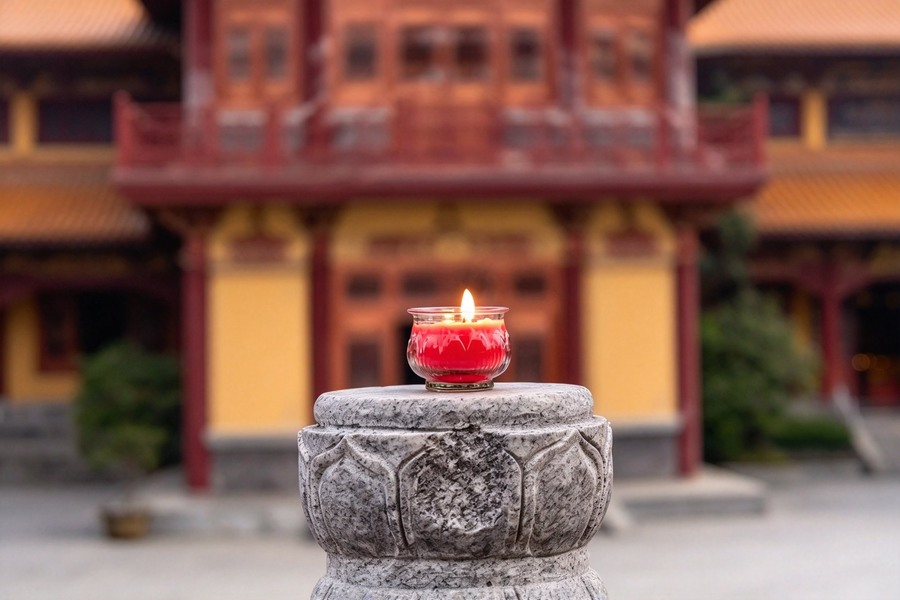
Longmen Guanghua Temple: Exploring Meditation Through Chinese Buddhist Heritage
Located in Luoyang, Henan Province, Longmen Guanghua Temple belongs to a region with a significant history of Chinese Buddhism. The wider Longmen area is known for its Buddhist heritage and its connections with the development of religious art, scholarship, and practice across different historical periods.
Guanghua Temple is associated with the history of Tang dynasty Esoteric Buddhism and the tradition surrounding the Indian Buddhist master Subhakarasimha. This historical setting provides a meaningful context for visitors interested in the relationship between Buddhist teachings and Chinese cultural life.
Within a traditional temple environment, the experience of meditation can be understood alongside other aspects of Buddhist culture, including ritual, tea traditions, contemplative study, and daily routines. These practices have their own purposes and histories, but together they offer different ways to explore attention, discipline, and the meaning of everyday actions.
For visitors, cultural immersion also involves respecting the setting. Temple customs vary, and not every religious activity is open to the public. Asking before taking photographs, following instructions from temple staff, and approaching religious spaces with consideration help create a more respectful experience for both visitors and the resident community.
Those interested in spending more time within a traditional Buddhist setting can explore a Zen temple stay in China. Program schedules, accommodation arrangements, and opportunities to participate in temple activities should be confirmed directly before booking.
Everyday Practices That Encourage Reflection
Meditation is one way to cultivate attention, but reflective habits can also be introduced into ordinary activities. The following approaches do not require specialized equipment or extensive experience. They are simple starting points for people who want to create more deliberate pauses during the day.
Take a Short Pause Before Responding
When a message or situation produces a strong reaction, take a moment to notice what is happening before replying, if circumstances allow. Recognize the emotion, observe any physical tension, and consider what response would be appropriate. This pause will not resolve every conflict, but it can help make the difference between an automatic reaction and a considered decision more visible.
Bring Attention to a Familiar Activity
Drinking tea, preparing a meal, walking outdoors, or organizing a workspace can become an opportunity to practice attention. Notice the sounds, textures, movements, and changes involved in the activity. When attention moves elsewhere, return to what you are doing without criticizing yourself.
Establish a Realistic Routine
Choose a time and duration that fit your daily schedule. Some people prefer a short period of sitting in the morning; others find an evening pause more practical. The most useful routine is one that can be followed without creating unnecessary pressure or interfering with essential responsibilities.
Recognize When Additional Support Is Needed
Personal reflection has limits. If distress persists, daily functioning becomes difficult, or symptoms cause concern, speaking with a qualified mental health professional is an important step. Mindfulness and meditation can be explored alongside appropriate support, but they should not be used to dismiss serious difficulties.
Discover Zen and Traditional Chinese Culture with Funzendo
Based at Longmen Guanghua Temple in Luoyang, Henan Province, Funzendo connects visitors with Chinese Buddhist heritage, meditation, and traditional cultural experiences. Its programs provide different ways to explore contemplative practice and learn about the cultural traditions associated with the Longmen area.
Depending on the program, experiences may include sitting meditation, breathing awareness, mindful tea activities, and introductions to Chinese Buddhist culture. Visitors should review the details of each offering to understand the schedule, instruction, accommodation, language support, and activities included.
For beginners, an introductory retreat can provide a structured opportunity to learn basic methods and become familiar with the principles of meditation. Longer programs may offer more time for repeated practice and cultural learning. The right choice depends on personal interests, available time, previous experience, and individual needs.
International visitors interested in current programs can explore traditional Chinese cultural experiences and contact Funzendo to confirm availability and booking arrangements.
Continuing the Conversation Beyond October 10
World Mental Health Day provides a focal point for international discussion, but awareness of mental health matters throughout the year. The practical challenge is to create sustainable ways to support everyday life, maintain meaningful relationships, and recognize when rest or professional assistance is needed.
Traditional Zen culture offers one perspective on this process. Attention is cultivated through practice, while ordinary activities provide opportunities to notice habits and respond more deliberately. This approach does not promise freedom from difficulty; instead, it encourages a closer examination of how people relate to their experiences.
For some visitors, exploring meditation within its Chinese Buddhist cultural setting can provide a valuable opportunity for learning and reflection. For others, a small daily habit may be a more appropriate starting point. Both approaches can be considered within a broader understanding of wellbeing that includes social connection, adequate rest, healthy routines, and access to professional support when needed.
World Mental Health Day is a reminder that wellbeing deserves attention beyond a single date. Through meditation, cultural learning, and thoughtful daily routines, people can explore practical ways to make space for reflection while recognizing that each person's needs and experiences are different.
Frequently Asked Questions
When Is World Mental Health Day in 2026?
World Mental Health Day is observed annually on October 10. In 2026, it falls on Saturday, October 10.
How Is Zen Meditation Different from Relaxation?
Relaxation may be one possible experience during meditation, but traditional Zen practice has a broader purpose. It emphasizes sustained attention, direct observation, discipline, and insight. A session does not have to feel relaxing to provide an opportunity to learn about attention and habitual reactions.
Can Beginners Join a Meditation Retreat in China?
Some retreats are designed for beginners, while others expect previous experience. Before booking, confirm the level of instruction, daily schedule, language support, accommodation arrangements, and activities included in the program.
Can Meditation Replace Professional Mental Health Care?
No. Meditation may be a useful contemplative practice for some people, but it does not replace professional assessment or treatment when needed. Anyone experiencing persistent distress or significant difficulties with daily functioning should seek appropriate professional support.